A Guide To Wood Countertops
- Corbin Clay

- Feb 13, 2023
- 4 min read
Updated: Jan 15
Wood countertops bring warmth, beauty, and natural charm to your kitchen, but to maintain their integrity and long-lasting appeal, it’s important to protect them with a good sealer. Sealing wood countertops not only helps preserve their aesthetics but also safeguards them from moisture, stains, and general wear and tear. Whether you have butcher block, live edge, or any other type of wood countertop, sealing is an essential step in ensuring your wood surfaces remain durable and easy to maintain.
In this blog, we’ll explore the importance of sealing wood countertops, the different sealing methods available, and some tips for keeping your wood counters looking beautiful for years to come.

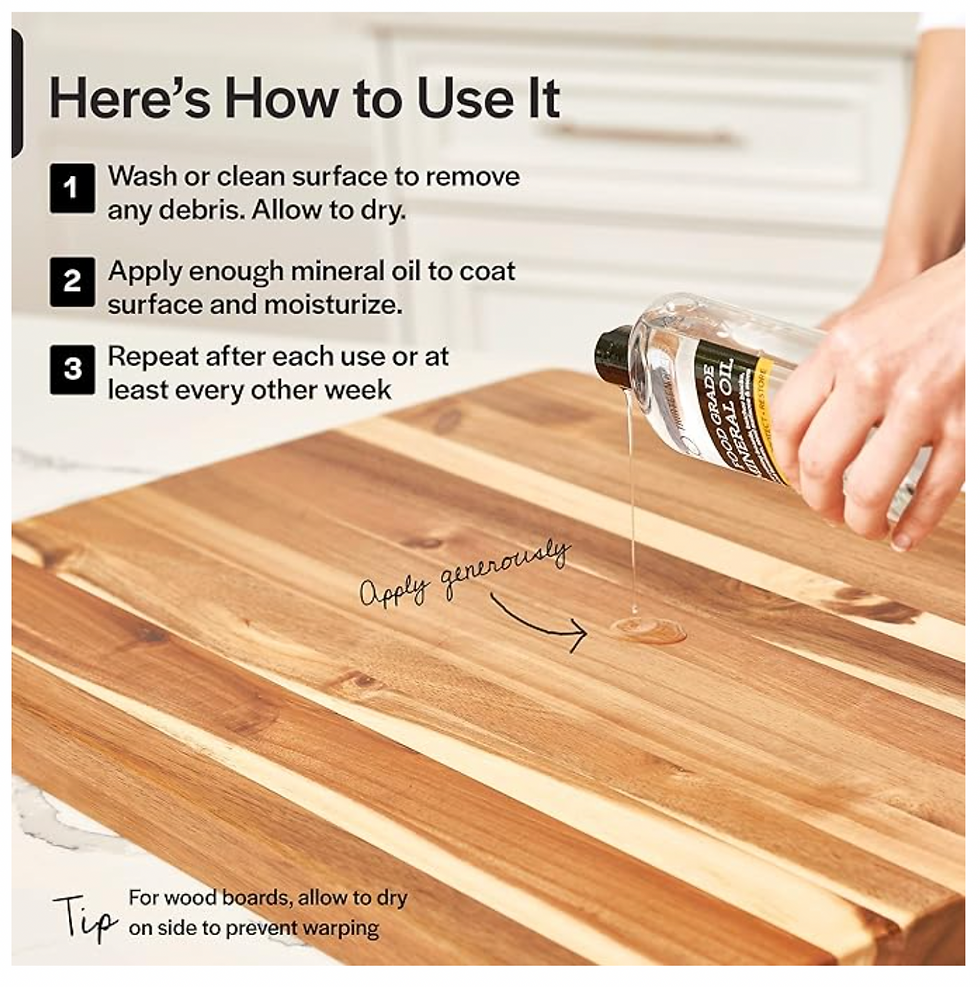
A food safe butcher block oil is the best finish if you plan on cutting directly on the wood counter. Designed to absorb into the wood and seal from the inside out, this oil finish will slightly darken the wood's grain and will need to be re-applied regularly throughout the year. To achieve a light luster to the wood, choose a food-safe butcher block and wax blend.
The Boos Mystery Oil is the gold standard:

If you do not plan on cutting directly on the wood top and are not concerned with food safety, then a water-resistant clear topcoat is ideal. While 2k polyurethane is the absolute best finish available these days, it can be both very expensive and hard to find a finisher familiar with spraying it.

A conversion varnish topcoat will, also, be very, very water and scratch resistant, completely maintenance free, and enhance the natural beauty of the wood. Use a solvent-based topcoat if you're wanting to create warm, amber hues, and a water-based topcoat to keep the wood's unfinished color (here's a bit more on that distinction and the different color changes)
If you plan to DIY, we're big fans of General Finishes products, as they can be brushed or sprayed and very durable. The best of both worlds! Our favorite water-based is their High Performance, and Arm-R-Seal for solvent. **Neither option is food-safe and both will chip if cut on, so these are best suited for countertops where you do not plan to cut directly on the surface

Common Questions We Hear About Wood Countertops
1. Are wood countertops food-safe?
Wood countertops can be food-safe, but it depends on the finish. Pure oil finishes and unfinished wood are commonly used for food prep, while film-forming finishes like polyurethane, epoxy, or conversion varnish are not food-safe once cut into and should not be used as cutting surfaces.
2. Can you cut directly on wood countertops?
It depends on the finish. Cutting directly on oil-finished wood is common, though it will leave marks that require maintenance. Cutting on film-finished wood countertops is not recommended, as the finish can chip and is not food-safe once damaged.
3. How much maintenance do wood countertops require?
Oil-finished wood countertops require regular re-oiling, especially near sinks. Film-finished countertops require far less routine maintenance but must be protected from standing water and direct cutting.
4. Do wood countertops hold up around sinks?
Wood countertops can be used around sinks, but they require thoughtful design and maintenance. Proper sealing, wiping up standing water, and periodic refinishing are critical to long-term performance in wet areas.
5. What wood species are best for countertops?
Hardwoods with closed grain structures, such as maple, walnut, cherry, and white oak, are commonly used. Each species has different hardness, movement characteristics, and visual appeal, which should be considered alongside lifestyle and maintenance expectations.
6. Do wood countertops scratch and dent easily?
Wood is softer than stone or engineered surfaces, so scratches and dents should be expected over time. Many homeowners view this as part of the natural patina, and most surface damage can be sanded out and refinished if desired.
7. Can wood countertops be refinished?
Yes. One of the advantages of wood countertops is that they can be sanded and refinished multiple times, allowing homeowners to refresh the surface or repair damage years later.
8. What is the difference between butcher block and wood countertops?
Butcher block is a specific type of wood countertop, typically constructed with edge grain or end grain and designed to handle direct cutting. Other wood countertops may use wide planks, face grain construction, or decorative layouts that prioritize appearance over cutting durability. All butcher block is wood, but not all wood countertops are butcher block.
The Value Of Unbiased Advice
Building new or remodeling a house can be an incredibly stressful and anxious process. Especially if you feel your builder, contractor, or cabinetmaker isn't as supportive as you'd prefer. That is why Ask A Cabinetmaker exists: to support you. We understand that you're not just building a house, you're creating a home, and every detail has to be perfect.

We invite you to explore our blog, receive free expert advice in our Facebook group, or check out our Cabinet Buyers Guide and Checklist if you're just starting your project.
We're here to help!


