The Complete Guide to Slim & Micro Shaker Cabinets: 2026 Trends & Buying Guide

Updated: Sep 9
If you have been looking at cabinetry lately, you’ve most certainly seen the slim Shaker door style. It is that sleek, narrow-framed door sitting somewhere between a traditional Shaker and a modern slab. Whether you call it a skinny Shaker, slim Shaker, or micro-Shaker, it's narrower frame offers a refined look that is a bit more intentional than the standard Shaker we have seen for the last twenty years.

But buying these is not the same as buying a standard cabinet door. There are specific construction methods and design choices that determine whether your space looks like a high-end designer kitchen, or a structural failure waiting to happen. To ensure you are getting the right quality that will last for decades, you need to understand that the best way to build a slim Shaker depends entirely on the finish you choose.
We’ll break down what’s best for both painted and stained options, as each style’s contraction is a little different (with tons of photos to show the nuances). Let’s jump in!
The Right Construction for Painted Slim and Micro Shakers
If you are going with a painted finish, a one-piece MDF (Medium Density Fiberboard) or HDF (High Density Fiberboard) door is absolutely the way to go.
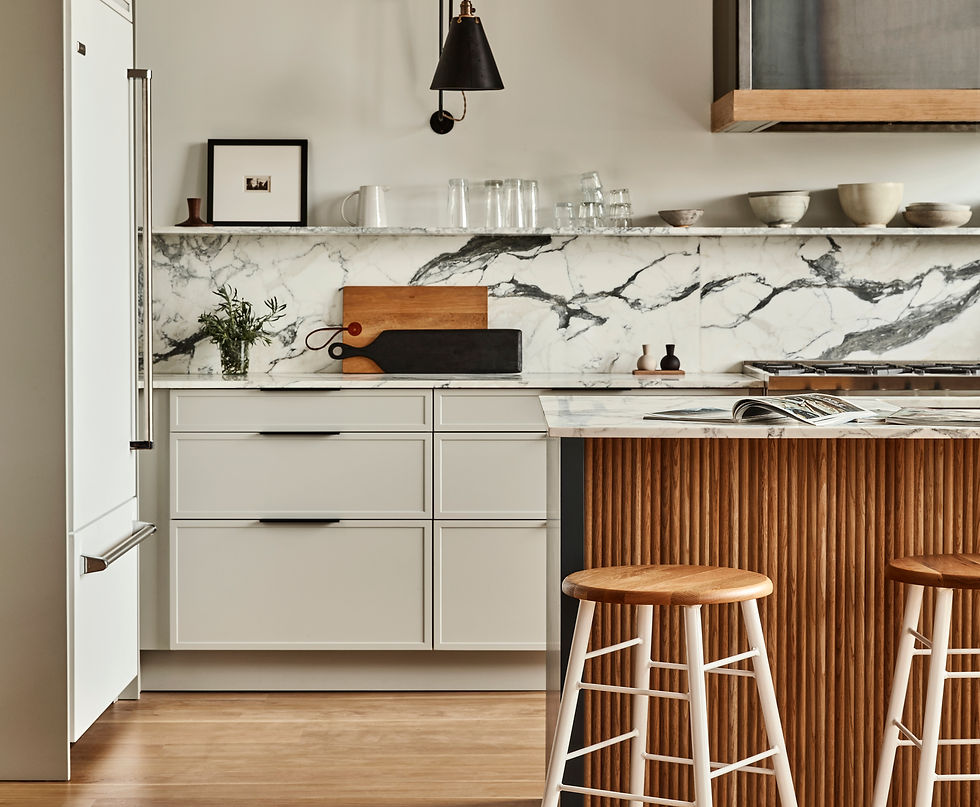
While people often default to solid wood as a sign of quality, in this specific context, solid wood is in fact a liability. Natural wood expands and contracts with changes in humidity. In a door with joints, that movement will eventually cause the paint to stretch and eventually crack at the seams where the pieces meet. A one-piece routed door is incredibly stable and has no joints to open up. This is how you achieve a flawless finish that stays perfect for decades.
Pro tip: yes, it’s true that when MDF gets wet, it swells. But, two things: one, today’s MDF and HDF are far superior to their counterparts from the early 2000s, especially with regard to moisture resistance. And two, any proper professional cabinet finish will prevent it from ever getting wet. This is why the specific paint you’re using is far more important than the door’s material.
The Right Construction for Stained Slim and Micro Shakers
When you move into stained woods like walnut or white oak, the priority changes to displaying the natural beauty of the wood. For a stained slim Shaker, you will likely have a veneer center panel, and that is actually the superior way to build it.
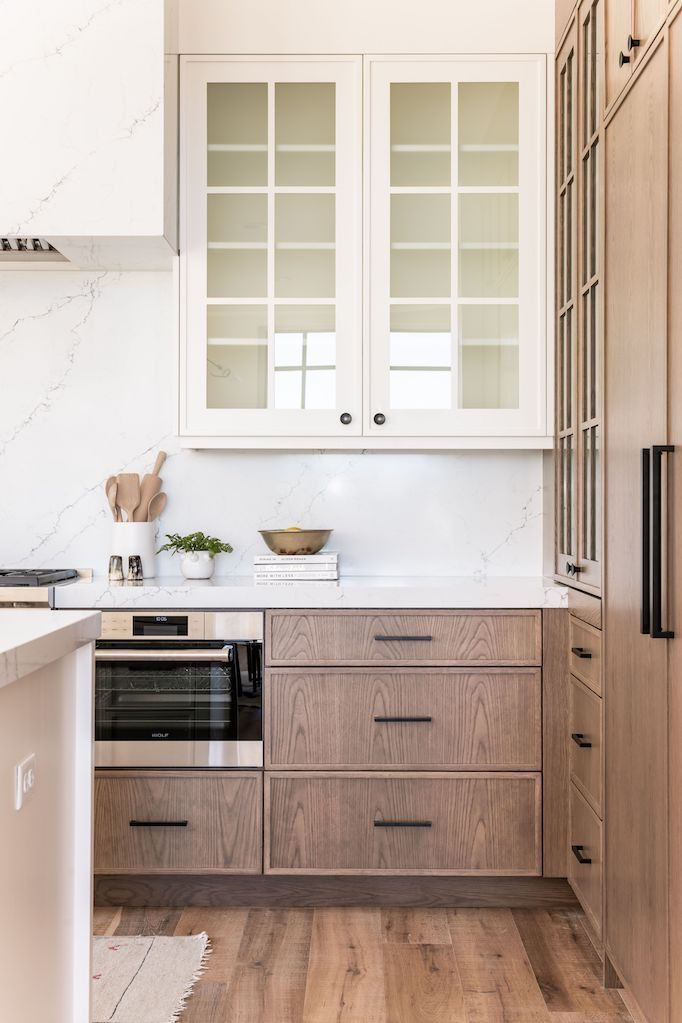
Veneer gets a bad rap, but in a slim Shaker door, it offers stability that solid wood cannot. (I wrote a deep dive on why veneer is often the better choice here).
Today's high-end slim Shakers are typically built as a slab door using a high-quality veneer center panel, with solid wood trim applied to the perimeter to create that narrow “slim” frame. This approach prevents the warping or twisting that often plagues thin, solid wood components. Because the center of these doors is a veneer panel, you have a lot of control over the final look, but you have to know what to ask your cabinetmaker or designer.
What You Need to Know About Veneer, Grain Direction, and Matching
When designing your stained wood kitchen, you need to check a few boxes before you sign off on anything:
What cut of veneer are we using?
You have options like slip-matched (linear and repeating), book-matched (symmetrical and mirrored), or plank-matched (the random, organic look of solid wood). Each one creates a completely different feel in the room.

What is the grain orientation?
Vertical is the standard, but horizontal grain is a major move for more modern designs. You should also consider grain orientation for specific components; for example, some prefer top drawers to be horizontal while the rest of the kitchen stays vertical.


Will there be grain matching?
This is a cool design that shows a great attention to detail, but not everyone loves the look and we don’t want to leave anything up to chance. Be sure to discuss how the grain flows across the entire room. Will it flow from door to door or drawer to drawer?
Any good cabinetmaker or designer will welcome the conversation.

Pro tip: this is where seeing photo-realistic renderings of your space can be especially helpful, as they are much more detailed than the shop drawings. If your designer or cabinetmaker doesn't offer them, you can hire someone (often for ~$20) on pages like Fiverr to create one unique to your project and finish selections. Just search "photo-realistic kitchen rendering" and you'll find a lot of good options.
This Is Why Approving A Full Door Sample is Non-Negotiable
If the company you are talking to does not see the importance of finalizing these grain details or explaining these construction methods, I would encourage you to keep looking until you find one that does. These are the details you are going to look at every single day, and getting them absolutely right is a non-negotiable!
This is exactly why we are so adamant that a full-size door sample be approved before any orders are placed. While a small 4” finish sample is fine for checking if your tile or counters will match, it tells you nothing about how a large walnut or oak door is actually going to look. Especially when combining veneer and solid wood onto the same door.

Wood is a living thing. The grain can be loud and full of character, or it can be calm and linear. You cannot see that character on a tiny swatch. Seeing a large-format version of the grain is the only way to ensure there are zero surprises on delivery day. We want you to feel a sense of excitement when your new cabinets arrive, not a feeling of dread because you “didn't realize the grain would be that busy.”
Pro tip: glass cabinet doors aren't always possible in a slim Shaker designs, certainly something to discuss ahead of time with your cabinetmaker or designer. Using a different accent material, like metal, solves this problem. Here is a great example from DuraSupreme:

Frequently Asked Questions About Slim and Micro Shaker Cabinets
What is a slim Shaker cabinet door?
A slim Shaker (also called a skinny Shaker or micro-Shaker) is a cabinet door style with a much narrower frame than a traditional Shaker door. It offers a cleaner, more modern look while still maintaining the depth and detail of a classic Shaker cabinet.
What is the best material for painted slim Shaker cabinets?
For painted finishes, one-piece MDF or HDF doors are generally the best option. Because they are routed from a single piece, there are no joints that can crack over time due to wood movement, helping the painted finish stay smooth and seamless for years.
Why is solid wood not ideal for painted slim Shakers?
Solid wood naturally expands and contracts with humidity changes. Over time, this movement can cause visible cracking at the joints of painted cabinet doors. Since slim Shaker profiles are so minimal, those imperfections tend to stand out even more.
What is the best construction method for stained slim Shakers?
For stained woods like walnut or white oak, a veneer center panel with solid wood perimeter trim is typically the preferred construction method. This approach provides better stability while still showcasing the beauty of natural wood grain.
Why do high-end slim Shakers use veneer?
Veneer offers greater stability than large solid wood panels, especially in slim-profile doors where movement and warping can become more noticeable. It also allows for more control over grain consistency and overall design.
What is veneer matching?
Veneer matching refers to how veneer sheets are arranged across cabinet doors and drawers. Options like book-matching, slip-matching, and plank-matching all create very different visual effects and can dramatically change the overall feel of the kitchen.
Should cabinet grain run vertically or horizontally?
Vertical grain is the most common orientation, but horizontal grain is often used in more modern kitchens. Some homeowners even combine both directions, such as horizontal grain on top drawers and vertical grain on larger doors.
Why is approving a full-size cabinet sample so important?
A small finish swatch cannot accurately show wood grain character, veneer variation, or how the final door will actually look in your space. A full-size sample helps ensure there are no surprises and allows you to confidently approve the final design before production begins.
What is the difference between a slim Shaker and a micro shaker cabinet?
The terms are often used interchangeably, but "micro shaker" specifically refers to doors with the narrowest frame borders—typically ½", ⅜", or even ¼" stiles and rails—compared to a traditional 2" to 2.5" Shaker frame.
Are micro shaker cabinets durable?
Yes, provided they are built using proper manufacturing techniques. Because the perimeter trim on a micro shaker is so thin (often ⅜" or ½"), standard solid wood frame construction can warp or crack at the joints. High-quality micro shakers are constructed using single-piece routed MDF/HDF for painted finishes, or precision-applied solid perimeter trim over stable veneer cores for stained wood.
Setting the Right Expectations
The slim Shaker is a beautiful evolution in cabinetry, but because it is so minimalist, every little detail is magnified. The width of the frame, the species of the wood, and the flow of the grain all work together to create the final product.
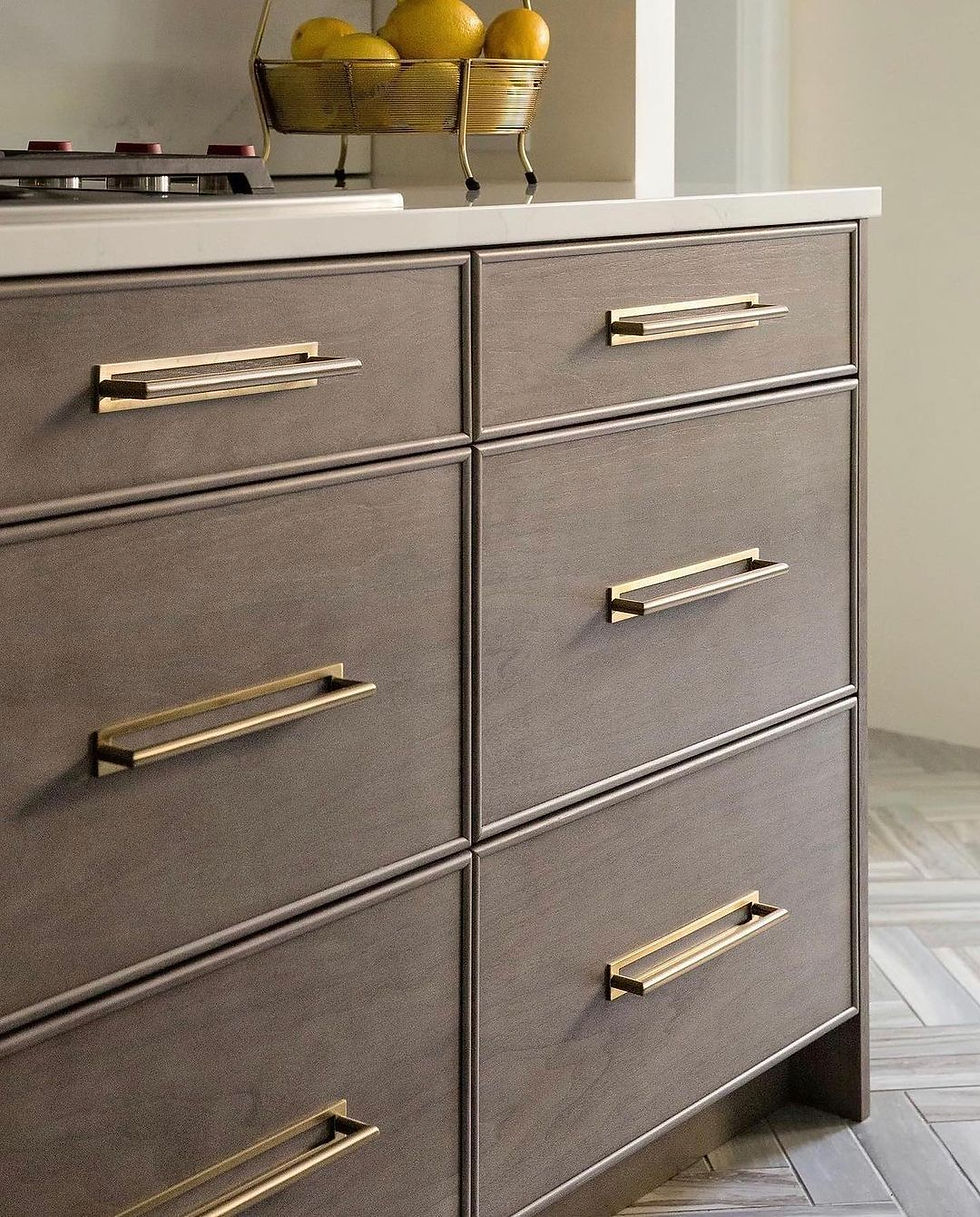
By asking about construction, veneer cuts, and grain orientation, you are not being a difficult customer, you are being an informed homeowner. A professional cabinetmaker will welcome these questions because they want the same thing you do: a stunning, durable kitchen that stands the test of time. We encourage you to take your time, look at the big samples, and make sure your vision is aligned with the person building your dream space.
Fortunately, if you do not have access to a capable (or willing) local cabinetmaker (and here's how to know for sure), there are many great regional and national manufacturers that offer this and other beautiful options as part of their standard collection. If you need help finding the right manufacturer (each excels at different designs and product), feel free to post in our Facebook group and we’ll get you some good recommendations.
The Value of Expert Advice
Having a partner early in the process to help identify red flags, walk you through what the process should look like, and help vet the other professionals on your project is exactly why we created this community. We understand that you're not just building a house, you're creating a home, and every detail has to be perfect.
Whether it's our blog, free expert advice in our Facebook group, or our Cabinet Buyers Guide and Checklist, we're here to help you every step of the way.

Here's to empowered homeowners!


